
Escaping the enema
Adventures in Ayurveda

The room is slowly brightening with early light when there is a knock on the door. A middle-aged lady in a neatly pressed cotton uniform enters bearing a tray. Upon it are placed three paper cups filled with an assortment of concoctions, a single marigold flower between them. “Madam, bowel movement?” she asks by way of greeting. By now, only my third day at the retreat, I am acculturated to solicitous queries about the state of my poo. One might even say enthused. And so, I launch into more details about consistency and quantity than I have ever paid enough attention to share before, and certainly more than would be seemly to share here.
Ayurvedagram, a wellness retreat on the outskirts of Bangalore, is a leafy oasis, sequestered from the clamour and traffic of the city. Its clientele is cosmopolitan. The overweight and burnt out visit it from around the world on hopeful quests for a cure to their distress. In Ayurveda, a traditional Indian medicinal cosmology, health in the human body follows from an equilibrium of elemental energies called doshas. The three doshas: vata, pita and kapha, correspond to admixtures of elements—fire, water, air, earth and ether (space). All ailments are traced to an imbalance of these doshas. Excess vata (air and ether), for example, produces insomnia and anxiety. Out of whack pitta (fire and water) can arouse anger and jealousy, while kapha-disorder (earth and water) leads to over attachment and greed. The “digestive fire” that governs metabolic health is also the first to be affected by any doshas that happen to be off kilter.
Ayurvedic cures are a combination of personalized diets plans, herbal medicinal tablets and potions, massage, and euphemistically named “cleansing rituals.” The latter involve various ways of purging the body by inducing vomiting and bowel evacuation. Behind the cooing of birds and wafting of incense sticks- there is always someone getting an enema at any ayurvedic center in the world.
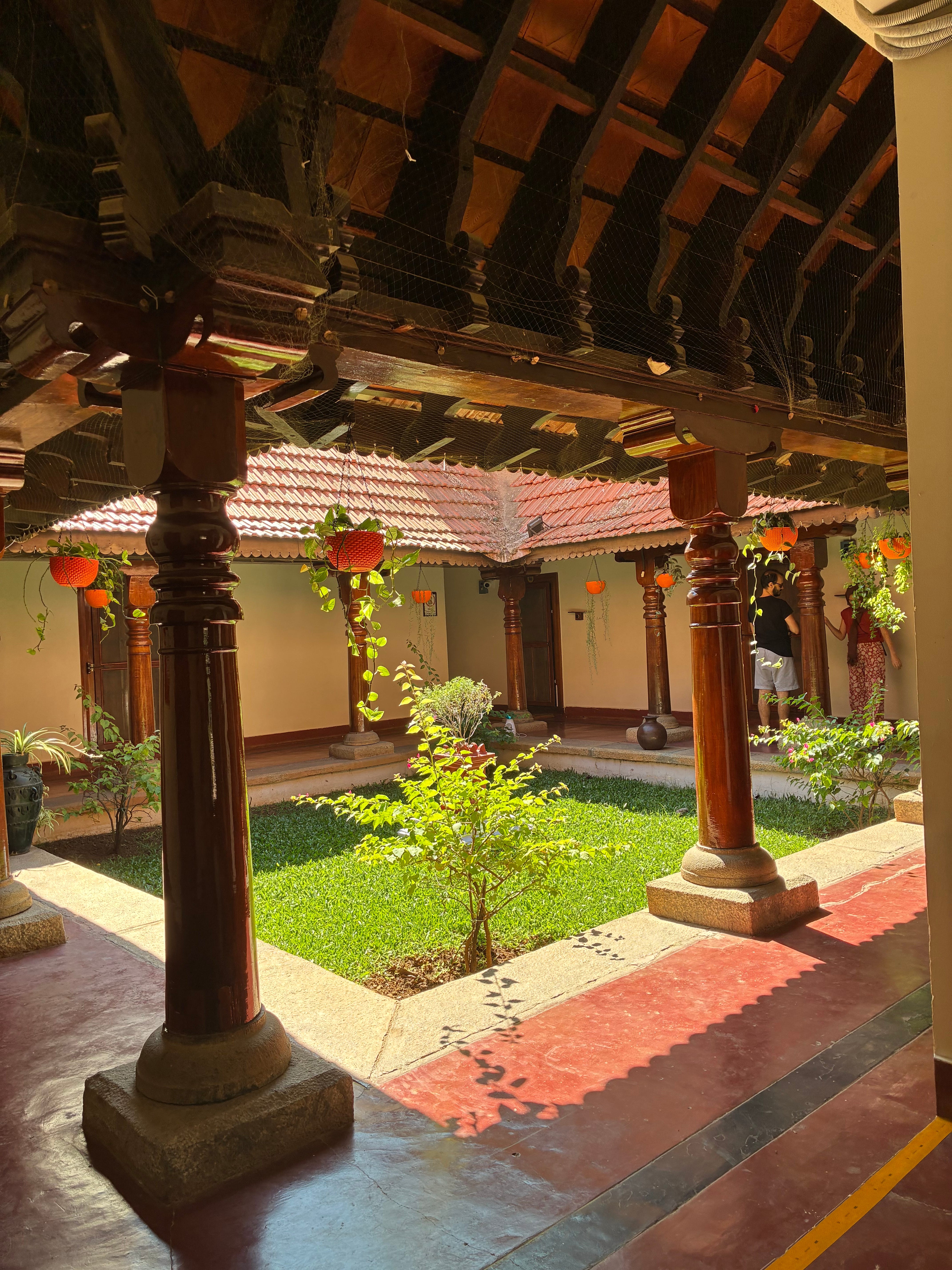
I am at Ayurvedagram as a dilettante. My idea is to embrace the massages and eschew the enemas. It’s not easy. At my compulsory consultation with the doctor upon check in, I mention something about not sleeping well and having the occasional post-meal bloating. “Vata,” he pronounces dolorously. “For you, Basti is mandatory. Absolutely Mandatory.” Basti, I discover, is a 10-day course of medicated enemas. Luckily, I am only staying for 4 nights. But I promise I will return another time. “You cannot avoid it!” insists the doctor, his pot belly wobbling in earnestness. Given his shape, I suspect he could do with some vata correction as well. But I am released into the retreat with a stern warning about the inadequacy of a 4-day stay.
There is a strict, liberating routine to the day, wherein all decisions are made for you. I must only show up at the appointed places and times. I wake at six and it is suggested that I have a morning walk, before returning to the room for the “waking up ritual.” My eyes and nostrils are gently cleansed with drops. I am given something to gargle with. The poo-inquiring attendant waits outside the loo until I am done. A two-minute forehead and scalp massage follow, after which I am ready to rock and roll, which in this instance means an hour-long yoga practice, followed by breakfast.
At 11:00 am I have my “major treatment” for the day. These are oil massages of various types. At the outset I am led into a changing room by the masseur who literally held my hand, a strangely intimate and infantilizing gesture, but one that I eventually begin to see as a nourishing one. I have never been looked after with this level of intimacy other than by my mother. I am told to remove all my clothes and given a paper covering to wrap around my nether regions. It creates the illusion that I will be able to hang on to a modicum of modesty. In the event, the moment the first bucket of warm medicated oil is poured over my body, the wrap melts away into nothingness. But by this time, I am too blissed out to care. My body is kneaded and stroked by multiple hands—there are often 3-4 people involved in the massage. Mastectomied breast, belly scar: none of it matters as the oil warms and loosens knots I hadn’t known resided in the crevices of my anatomy. Later, I am led into a steam bath and finally to shower. The attendant tests the water temperature for me before I am invited to enter. I feel freshly out of the womb.
At noon there is a 45-minute pranayama-—breath work—practice. We inhale from one nostril and exhale from the other. We emit hissing noises, letting out toxic energies and learn to breathe from the clavicle, thoracic area and abdomen.
Lunch is next, a highlight. All the food is cooked inhouse according to Ayurvedic principles. Meals are vegetarian using digestive spices in creative ways, with very little chili. Gourds abound. There are delicious soups. A curvaceous lady in a velvet pink track suit sits down opposite me and asks the server if she “may” have a bowl of soup. There is something nervous in the manner of her asking, and when the soup appears her relief is palpable, released in a high giggle. But only a bite in, an attendant appears by her side and removes the soup bowl. “Sorry, madam, you are on ghee.” “Ghee,” I learn, is a treatment wherein the patient is fed an exclusive diet of large quantities of clarified butter until they vomit, emptying their upper GI tract completely. Pink track suit looks forlorn. But I dig in.
In the afternoon I have 45-minutes of meditation practice followed by a minor treatment- a truncated massage. An evening walk is next, before a brief community activity – cooking class, eye exercises, ayurvedic principles talk etc—early dinner and bed.
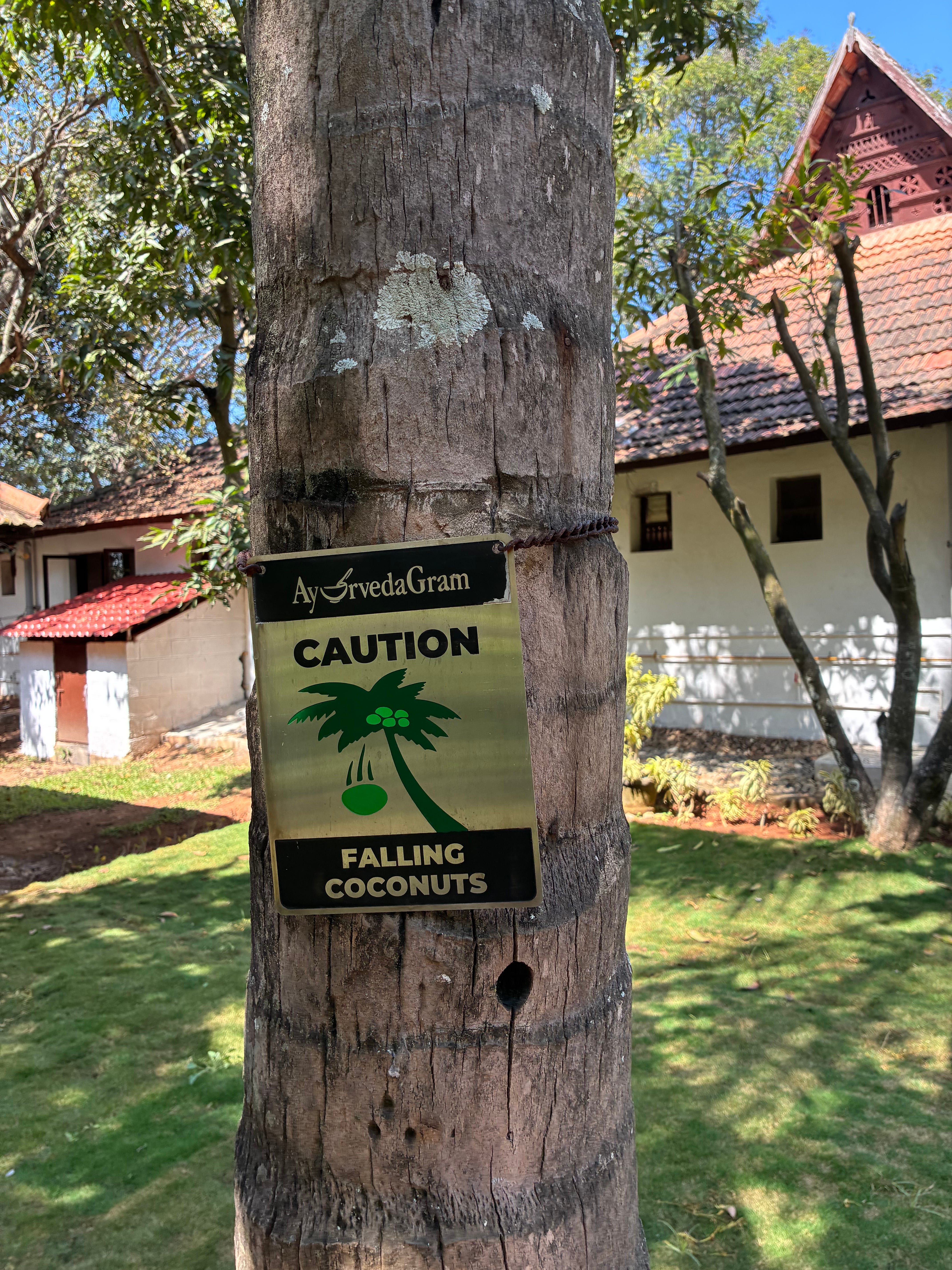
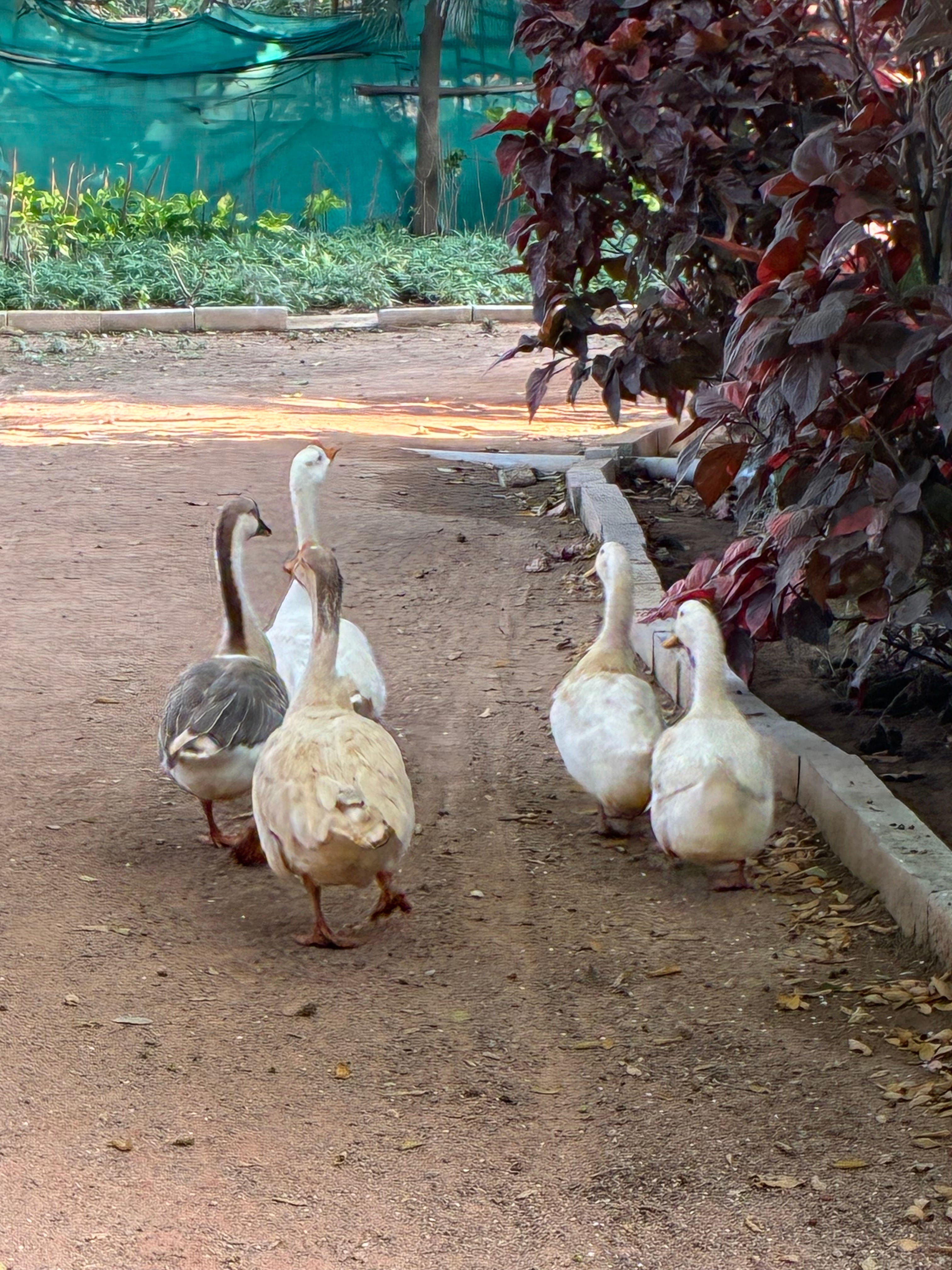
The grounds of Ayurvedagram are enchanting— inviting hammocks spread between palm trees. The weather rests at the sweet spot between warm and cool. But it is not, I discover, without its idiosyncrasies. Warnings about “Falling Coconuts” abound. On the third day I find myself on the walking path with a gaggle of geese. I ask a cleaning attendant who is sweeping up a storm nearby about the birds. Why are they here? How did they get here? “They are here only,” she replied. But for what purpose, I persist in asking. Given that the resort is strictly vegetarian, the geese are definitely not for the eating. The attendant wobbles her head and mysteriously utters, “The garden people.”
On the day of my departure, masseurs, doctors and receptionists turn up to wave me off. “See you next year,” they say. Prospective enemas hang in the air, unspoken of, but palpable. The strangest thing of all? There is a non-trivial chance that I might actually be back. Watch this space.
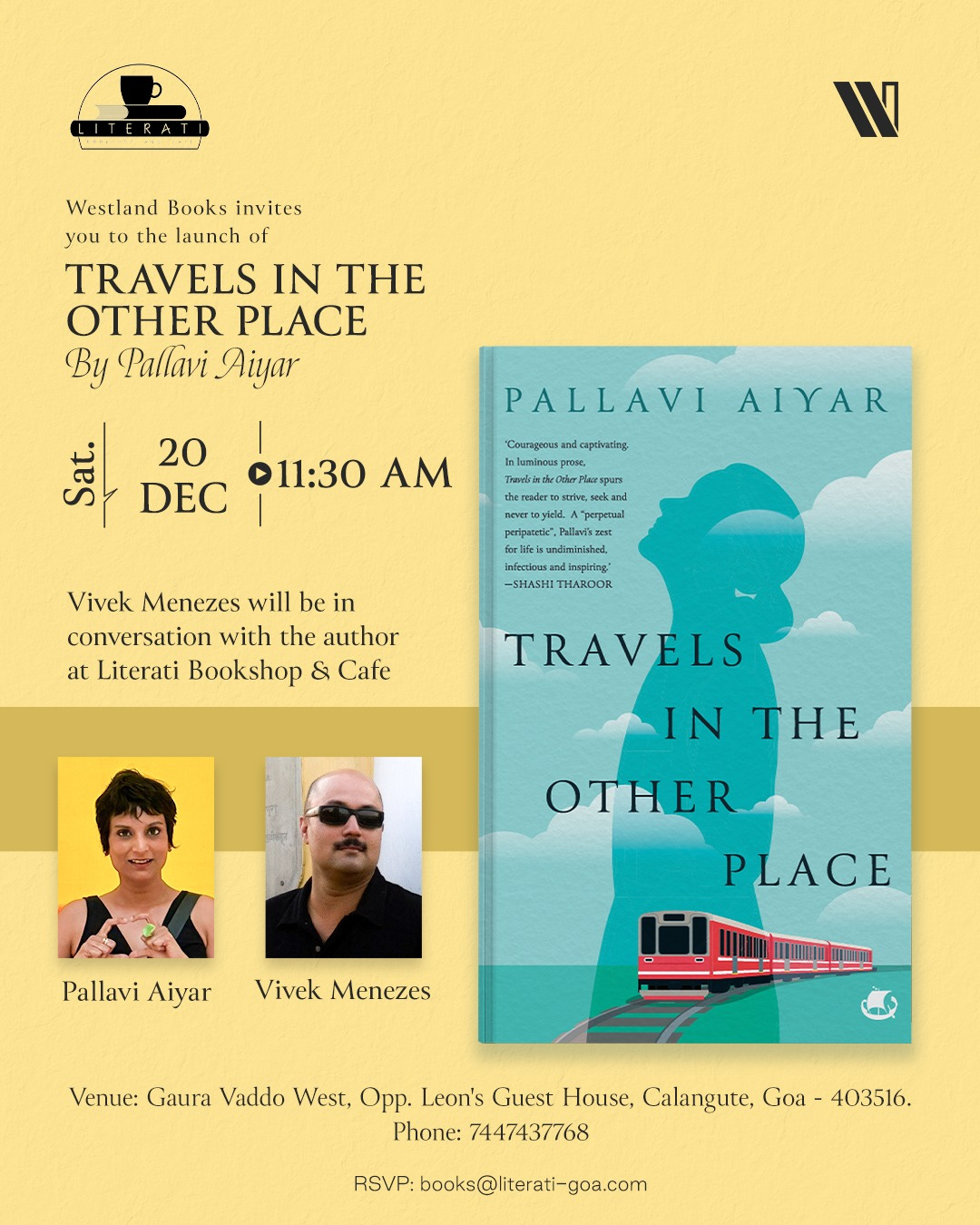
That’s all for this week, folks. I am off later today to Goa, where I will be presenting Travels in the Other Place at Literati Bookshop tomorrow. I will be in conversation with Vivek Menezes. Do come along, if you are in town.
Ciao for now,
Pallavi
Hilarious piece! Such a fun read, with lovely descriptions of Ayurvedagram.
If only we could spend the rest of our allotted lifespans at these wellness getaways. But, life has a nasty way of forcing us back on the ground and within a few hours, bursts the bubble of euphoria. My best experience was in the Ayurvedic spa of a resort called Centacor Island - off the coast of Karwar, and allegedly the only privately owned island in India. The massage table overlooked the ocean, and if you were lucky, could see dolphins playing in the water. And then, you have to leave.